ENGINEERING CAPABILITIES ENGINEERING-KOMPETENZEN
This page provides an overview of Lighttower's technical capabilities and shows, through selected projects, how they are applied in practice. They cover the entire path from initial design to commissioning. Rather than isolated specialist services, this creates a continuous development chain without friction at the handovers. Part of this expertise was built in earlier roles at LEC GmbH and T.I.P.S. Messtechnik GmbH. Diese Seite stellt die technischen Kompetenzen von Lighttower vor und zeigt anhand ausgewählter Projekte, wie sie in der Praxis zum Einsatz kommen. Sie decken den gesamten Weg von der Auslegung bis zur Inbetriebnahme ab. Statt einzelner Spezialleistungen entsteht so eine durchgängige Entwicklungskette, ohne Reibungsverluste an den Übergängen. Ein Teil dieser Expertise entstand in früheren Tätigkeiten bei der LEC GmbH und der T.I.P.S. Messtechnik GmbH.
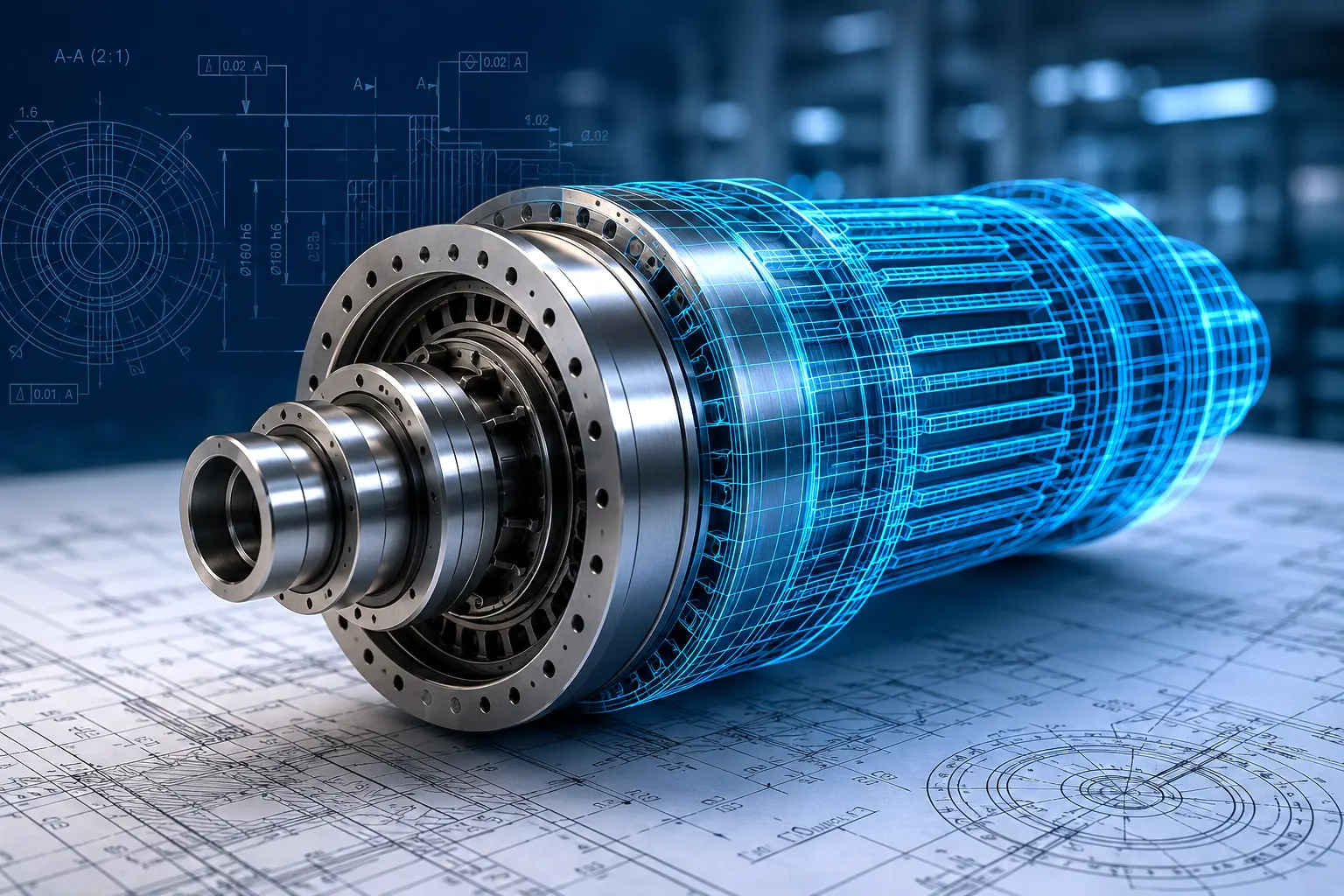
Core Engineering Capabilities Technische Kernkompetenzen
Projects differ – the engineering principles behind them do not. The following capabilities form the technical foundation of Lighttower's engineering approach. Projekte unterscheiden sich – die ingenieurtechnischen Prinzipien dahinter nicht. Die folgenden Kompetenzen bilden die technische Grundlage des Engineering-Ansatzes von Lighttower.
Development of customized laboratory equipment and automated test systems from concept to commissioning. Entwicklung individueller Laboraufbauten und automatisierter Prüfsysteme – vom Konzept bis zur Inbetriebnahme.
Measurement concepts and experimental methods for reliable validation of technical systems. Messkonzepte und experimentelle Methoden zur zuverlässigen Validierung technischer Systeme.
Numerical models for concept evaluation, engineering analysis and virtual validation before prototype development. Numerische Modelle zur Konzeptbewertung, technischen Analyse und virtuellen Validierung vor dem Prototypenbau.
Design of high-precision mechanical systems where accuracy, repeatability and manufacturability are essential. Konstruktion hochpräziser mechanischer Systeme, bei denen Genauigkeit, Wiederholbarkeit und Fertigungsgerechtigheit entscheidend sind.
Development from initial concept through prototyping, verification and industrial implementation. Entwicklung von der ersten Konzeptidee über Prototyping und Verifikation bis zur industriellen Umsetzung.
Planning and execution of multidisciplinary engineering projects from feasibility study to industrial deployment. Planung und Umsetzung interdisziplinärer Entwicklungsprojekte – von der Machbarkeitsstudie bis zum industriellen Einsatz.
Representative Projects Ausgewählte Projekte
What these capabilities deliver becomes most visible in concrete projects. The examples that follow offer that view — each with a different technical emphasis, each from a different point in the development cycle. Was die Kompetenzen leisten, zeigt sich am deutlichsten im konkreten Projekt. Die folgenden Beispiele geben diesen Einblick – jedes mit einem anderen technischen Schwerpunkt, jedes aus einer anderen Etappe der Entwicklung.
Test System Development Prüfsystementwicklung
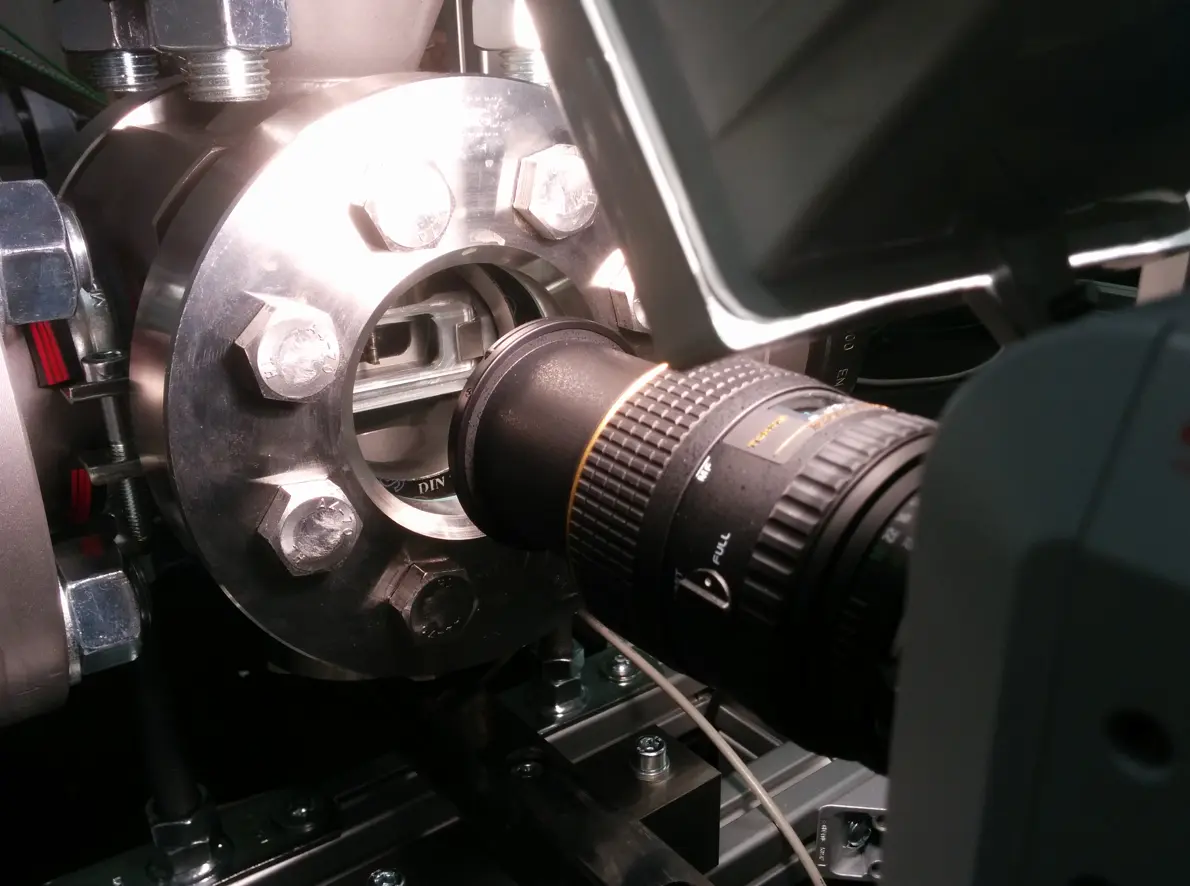
Development of an experimental laboratory system for the optical investigation of spark formation under defined pressure, temperature and flow conditions. The system enabled reproducible experiments by combining optical diagnostics with conventional measurement techniques to support combustion research.
The principal engineering challenge was the development of a closed-loop flow circuit capable of providing defined flow, temperature and turbulence conditions at pressures of up to 50 bar while maintaining unrestricted optical access for diagnostic investigations.
Entwicklung eines experimentellen Laborsystems zur optischen Untersuchung der Funkenbildung unter definierten Druck-, Temperatur- und Strömungsbedingungen. Das System ermöglichte reproduzierbare Untersuchungen und kombinierte optische Diagnostik mit konventioneller Messtechnik zur Unterstützung der Verbrennungsforschung.
Die zentrale technische Herausforderung bestand in der Entwicklung eines geschlossenen Strömungskreislaufs, der bei Drücken bis 50 bar definierte Strömungs-, Temperatur- und Turbulenzbedingungen bereitstellte und gleichzeitig eine uneingeschränkte optische Zugänglichkeit für die Diagnostik gewährleistete.
Measurement & Validation Messtechnik & Validierung
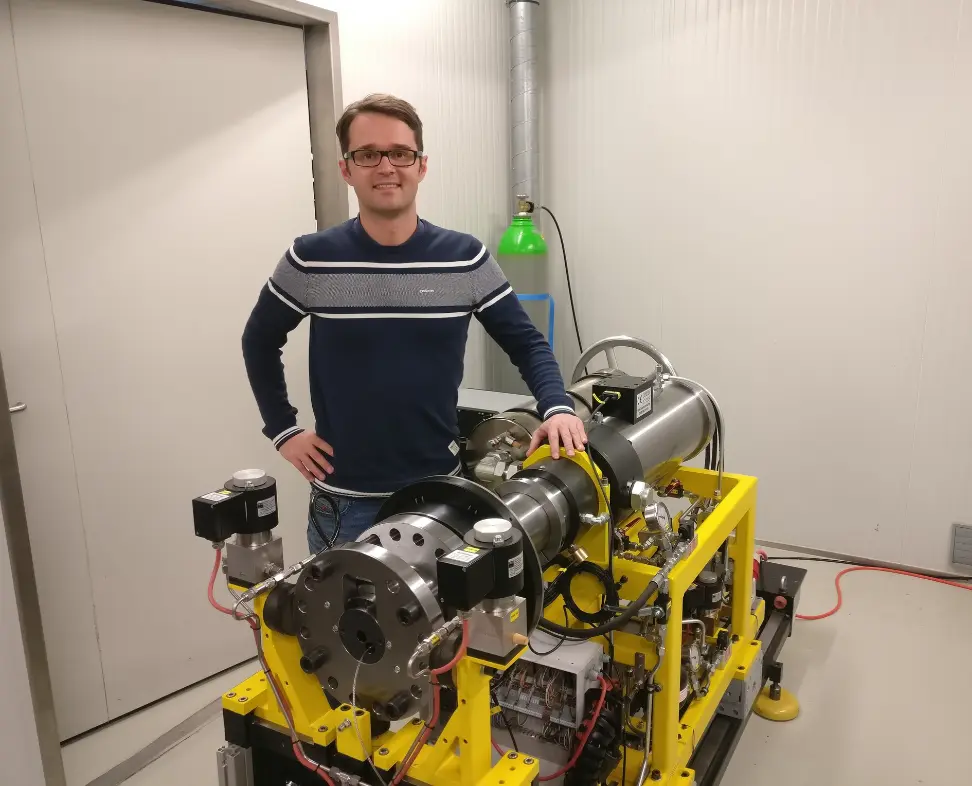
Integration of an experimental test facility for investigating ignition and combustion processes under controlled pressure and temperature conditions. The system enabled highly repeatable investigations of combustion phenomena and supported the validation of simulation models.
By decoupling individual thermodynamic parameters, the facility made it possible to isolate specific effects that are difficult to separate in a running engine. This allowed fundamental combustion mechanisms to be studied under clearly defined and repeatable boundary conditions.
Integration einer experimentellen Prüfeinrichtung zur Untersuchung von Zünd- und Verbrennungsprozessen unter kontrollierten Druck- und Temperaturbedingungen. Das System ermöglichte hoch reproduzierbare Untersuchungen von Verbrennungsphänomenen und unterstützte die Validierung von Simulationsmodellen.
Durch die Entkopplung einzelner thermodynamischer Parameter ließen sich Effekte isolieren, die im laufenden Motor kaum zu trennen sind. So konnten grundlegende Verbrennungsmechanismen unter klar definierten und reproduzierbaren Randbedingungen untersucht werden.
Simulation & Modelling Simulation & Modellierung
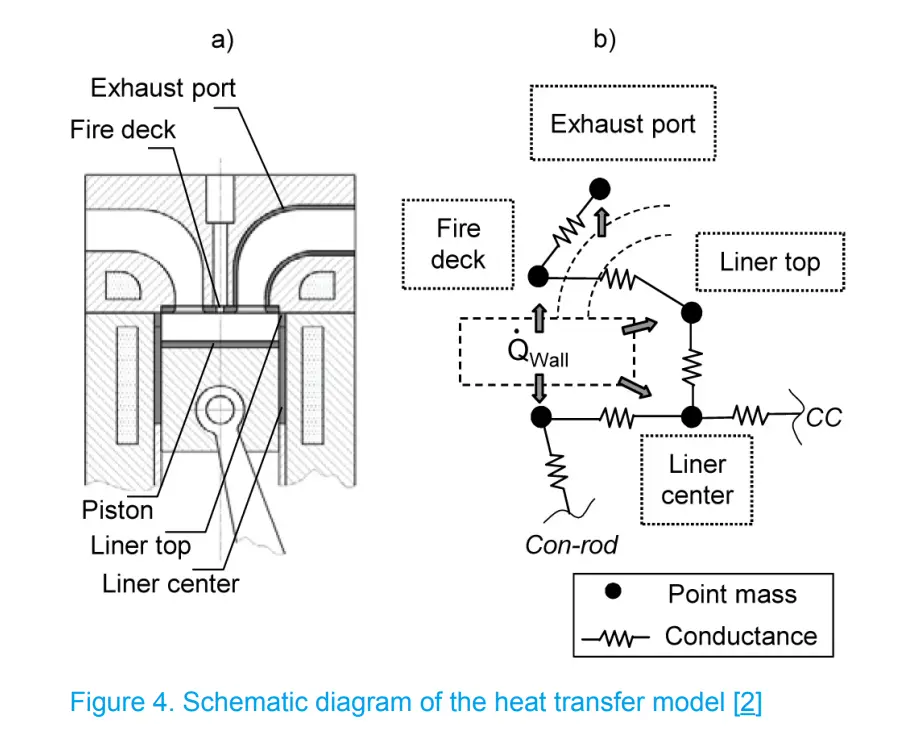
Development of numerical simulation models for predicting engine warm-up behaviour under various operating conditions. The simulation supported engineering decisions by evaluating thermal concepts before experimental testing and enabled a deeper understanding of transient heat transfer mechanisms.
The models were calibrated against measurement data to ensure predictive accuracy across the relevant temperature range. This made it possible to assess design variants quickly and cost-effectively, reducing the number of physical test iterations required.
Entwicklung numerischer Simulationsmodelle zur Vorhersage des Motorwarmlaufverhaltens unter verschiedenen Betriebsbedingungen. Die Simulation unterstützte technische Entscheidungen durch die Bewertung thermischer Konzepte vor dem physischen Versuch und ermöglichte ein tieferes Verständnis transienter Wärmeübertragungsmechanismen.
Die Modelle wurden anhand von Messdaten kalibriert, um über den relevanten Temperaturbereich eine belastbare Vorhersagegüte sicherzustellen. Dadurch ließen sich Konstruktionsvarianten schnell und kostengünstig bewerten und die Zahl experimenteller Versuchsschleifen reduzieren.
Precision Engineering Präzisionsengineering
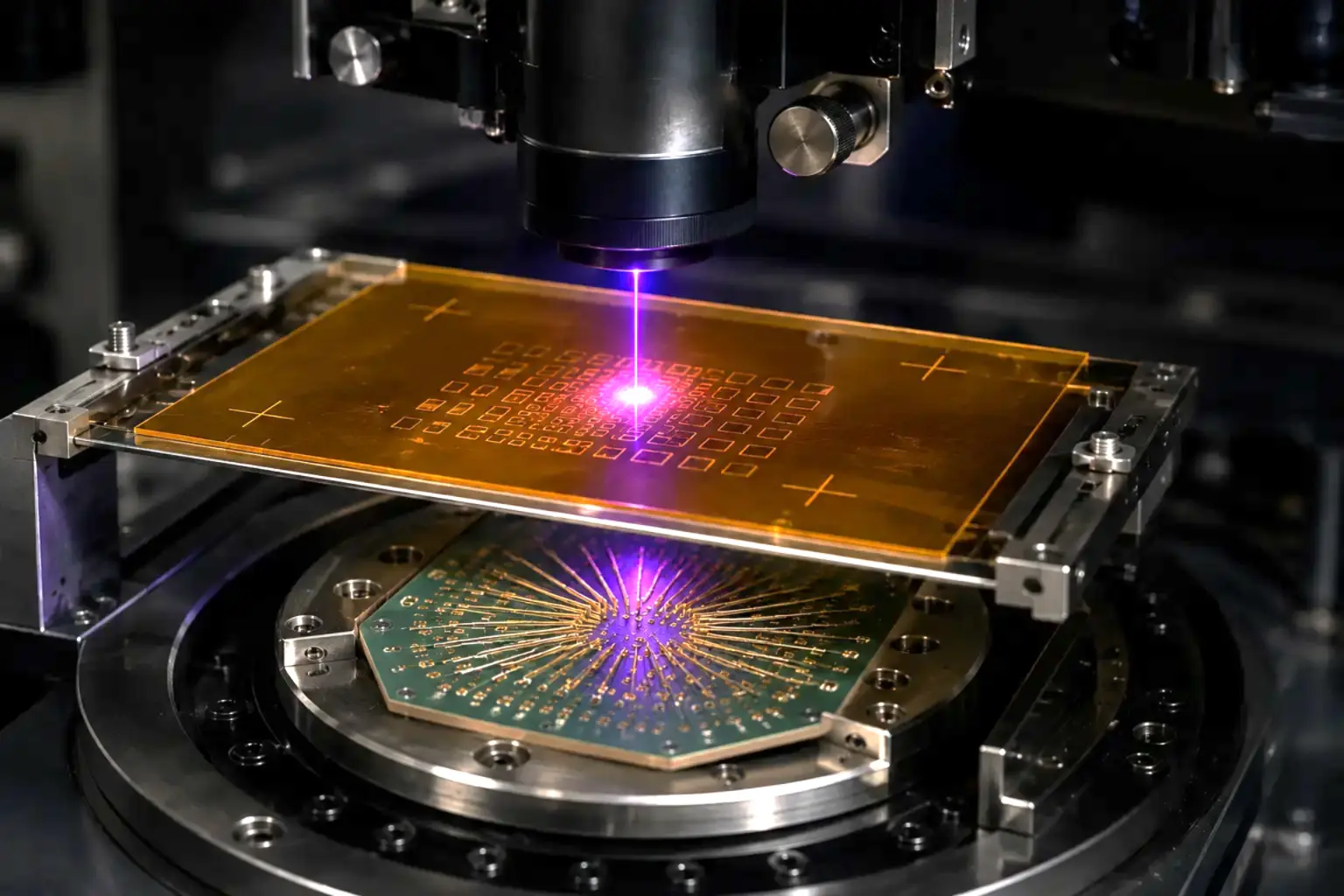
Development of a high-precision manufacturing process for reference marks used in probe card systems. The project focused on achieving repeatable alignment accuracy while establishing a reliable manufacturing workflow suitable for industrial application.
Careful control of the relevant process parameters was required to achieve the necessary edge definition and positional accuracy at microscale. The resulting process proved feasible for repeatable production while meeting demanding quality requirements.
Entwicklung eines hochpräzisen Fertigungsprozesses für Referenzmarken in Probe-Card-Systemen. Im Fokus standen eine reproduzierbare Ausrichtgenauigkeit sowie ein zuverlässiger, industriell einsetzbarer Fertigungsablauf.
Eine sorgfältige Steuerung der relevanten Prozessparameter war erforderlich, um im Mikromaßstab die nötige Kantenschärfe und Positioniergenauigkeit zu erreichen. Der entstandene Prozess erwies sich als geeignet für eine reproduzierbare Fertigung bei anspruchsvollen Qualitätsanforderungen.
Precision Engineering Präzisionsengineering
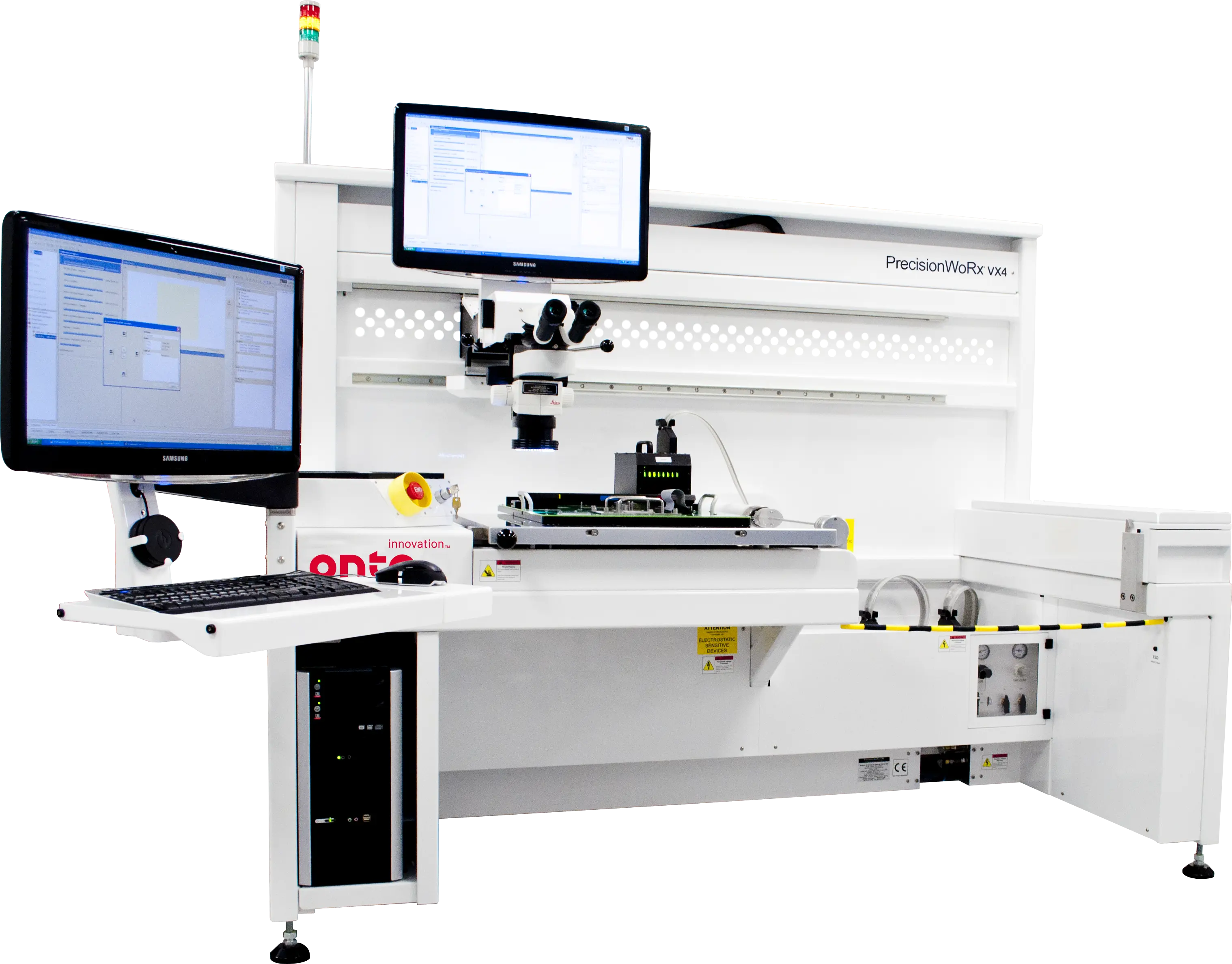
Development of measurement methodologies for investigating planarity and positional accuracy of precision probe card assemblies. The project focused on identifying influencing factors, improving repeatability and supporting engineering decisions through systematic measurement and analysis.
Establishing a consistent measurement setup and evaluation routine was key to obtaining comparable results across different assemblies. The insights gained helped to define practical acceptance criteria and to target improvements where they had the greatest effect on contact reliability.
Entwicklung von Messmethoden zur Untersuchung der Planarität und Positioniergenauigkeit präziser Probe-Card-Baugruppen. Im Fokus standen die Identifikation von Einflussfaktoren, die Verbesserung der Wiederholbarkeit und die Unterstützung technischer Entscheidungen durch systematische Messung und Analyse.
Ein einheitlicher Messaufbau und eine standardisierte Auswerteroutine waren entscheidend, um über verschiedene Baugruppen hinweg vergleichbare Ergebnisse zu erhalten. Die gewonnenen Erkenntnisse halfen, praxistaugliche Abnahmekriterien zu definieren und Verbesserungen dort anzusetzen, wo sie die Kontaktzuverlässigkeit am stärksten beeinflussen.
Product Development / Project Leadership Produktentwicklung / Projektleitung
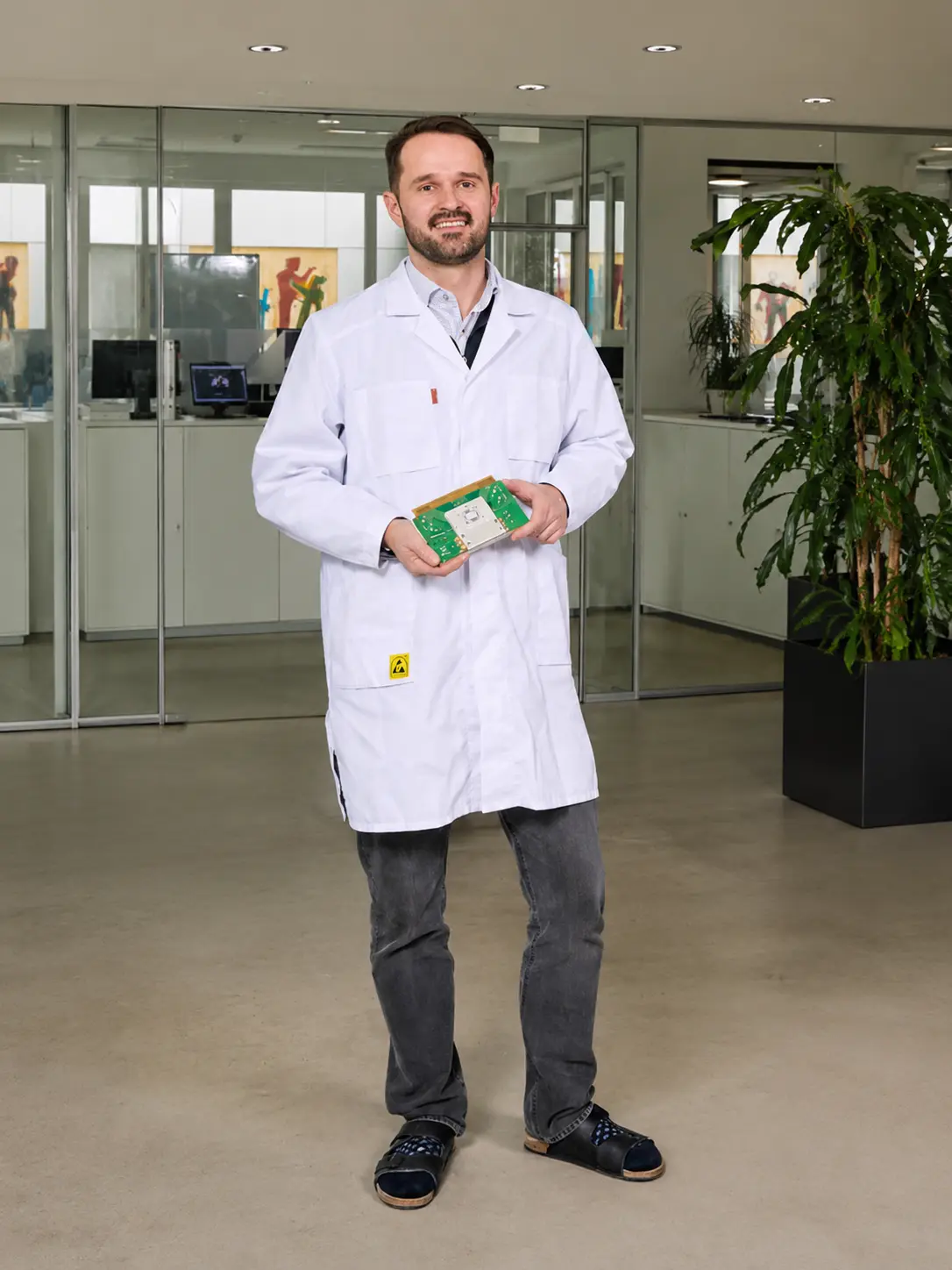
Development of a next-generation probe card platform for high-current semiconductor applications. The work combined precision mechanics, thermal considerations, electrical integration and manufacturing aspects into a robust product suitable for industrial deployment.
A central challenge was managing high current loads and the resulting thermal effects while maintaining tight mechanical tolerances and contact accuracy. Material selection, thermal management and mechanical design were developed in parallel and validated through measurement to ensure reliable performance under demanding operating conditions.
The result is a scalable platform concept, engineered from the outset for repeatable series production rather than a one-off prototype.
Entwicklung einer Probe-Card-Plattform der nächsten Generation für Hochstrom-Halbleiteranwendungen. Feinmechanik, thermische Auslegung, elektrische Integration und Fertigungsaspekte wurden zu einem robusten, industriell einsetzbaren Produkt vereint.
Eine zentrale Herausforderung war die Beherrschung hoher Stromlasten und der daraus resultierenden thermischen Effekte bei gleichzeitig engen mechanischen Toleranzen und hoher Kontaktgenauigkeit. Materialauswahl, Thermomanagement und mechanische Konstruktion wurden parallel entwickelt und messtechnisch abgesichert, um eine zuverlässige Funktion auch unter anspruchsvollen Betriebsbedingungen zu gewährleisten.
Das Ergebnis ist ein skalierbares Plattformkonzept, von Beginn an auf reproduzierbare Serienfertigung ausgelegt, nicht auf einen Einzelprototyp.
Engineering Analysis Technische Analyse
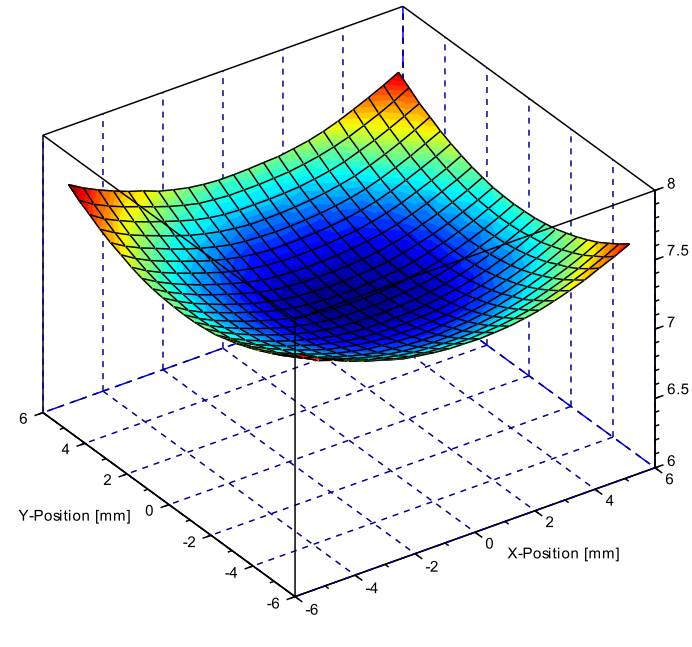
Development of customized workflows for analysing complex measurement data and transforming raw results into meaningful engineering insights. Advanced signal processing, visualization and statistical evaluation supported technical decision-making, model validation and continuous product optimization.
Automating recurring analysis steps significantly reduced manual effort and minimized sources of error in the evaluation. This ensured consistent, traceable results and allowed engineering conclusions to be drawn faster and with greater confidence.
Entwicklung individueller Workflows zur Analyse komplexer Messdaten und zur Überführung von Rohdaten in aussagekräftige technische Erkenntnisse. Fortgeschrittene Signalverarbeitung, Visualisierung und statistische Auswertung unterstützten technische Entscheidungen, die Modellvalidierung und die kontinuierliche Produktoptimierung.
Die Automatisierung wiederkehrender Analyseschritte reduzierte den manuellen Aufwand deutlich und minimierte Fehlerquellen in der Auswertung. So entstanden konsistente, nachvollziehbare Ergebnisse, und technische Schlussfolgerungen ließen sich schneller und mit größerer Sicherheit ziehen.
Tell me what you're working on – together we'll find out which capabilities it takes. Erzählen Sie mir, woran Sie arbeiten – gemeinsam finden wir heraus, welche Kompetenzen es braucht.